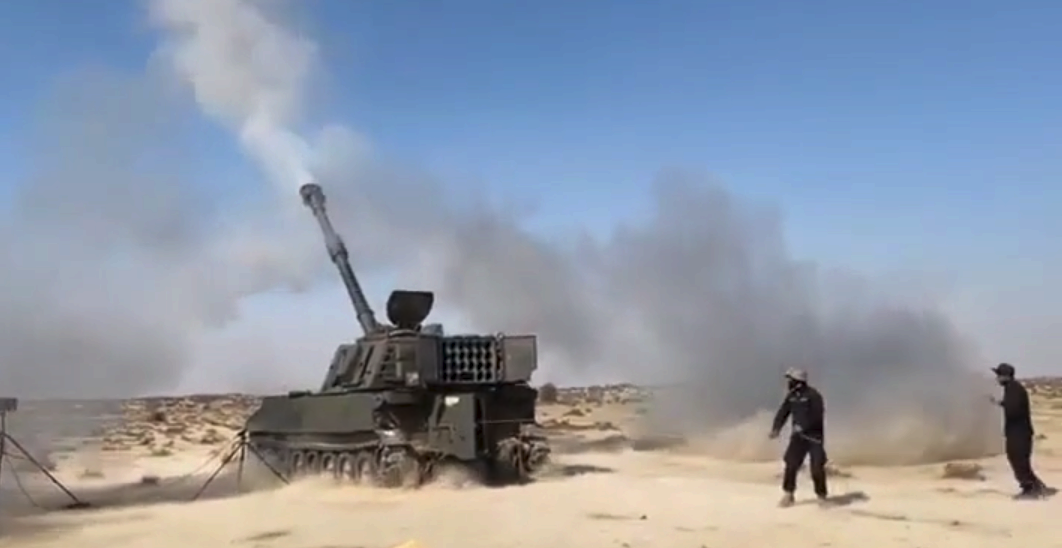
This is a little demonstration of osint detective work and perhaps something fun for people interested in this stuff.
Link to video in case it’s not playing: https://x.com/JaidevJamwal/status/2104801045733929374
List of things you can observe in the video. Feel free to add stuff I missed.
1. Name of officer: Captain Ahmad Mahmood in watermark. He is also doing the cool guy stuff of not looking at explosion at 00:27
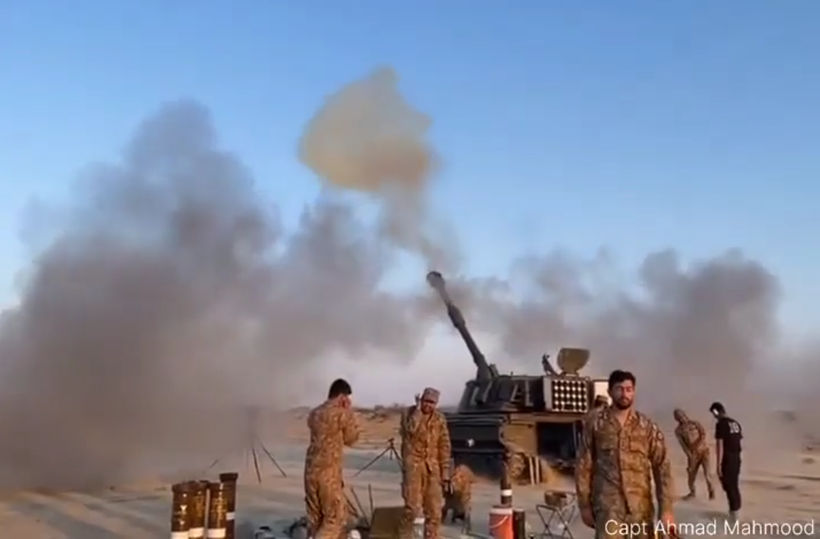
2. Corps insignia at 00:18. It is of Pakistani Army’s I Corps with HQ in Mangla.
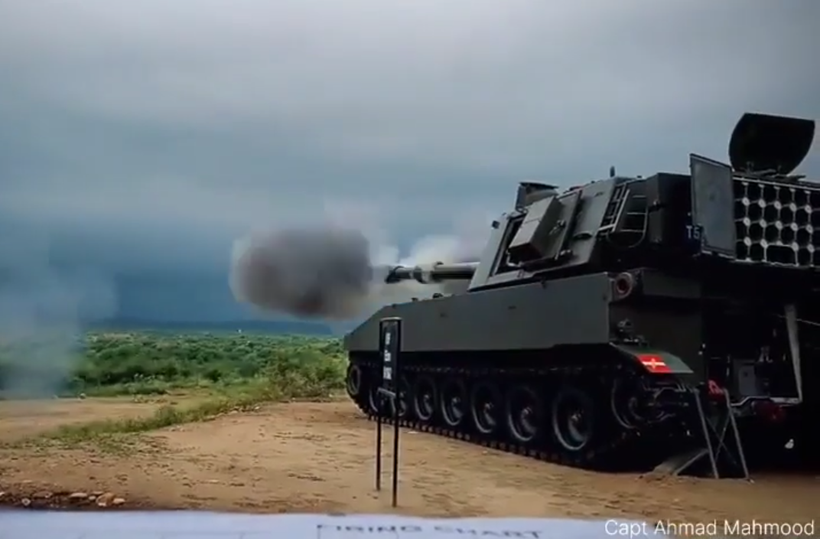
- The video could be flipped horizontally here as the actual insignia has the lightning bolt going from top left to lower right. But it’s not too important for now.

- Vehicle in the video is American made M109 155 mm tracked howitzer. PA operates 3 versions M109A2 (200 approx), M109A5 (115 approx) and M109L (125 approx). This one is most likely the A5 version. Check these links for some information: http://www.67auc-bracciano.it/miscellanea/docs/M109-inglese.pdf and https://man.fas.org/dod-101/sys/land/m109.htm
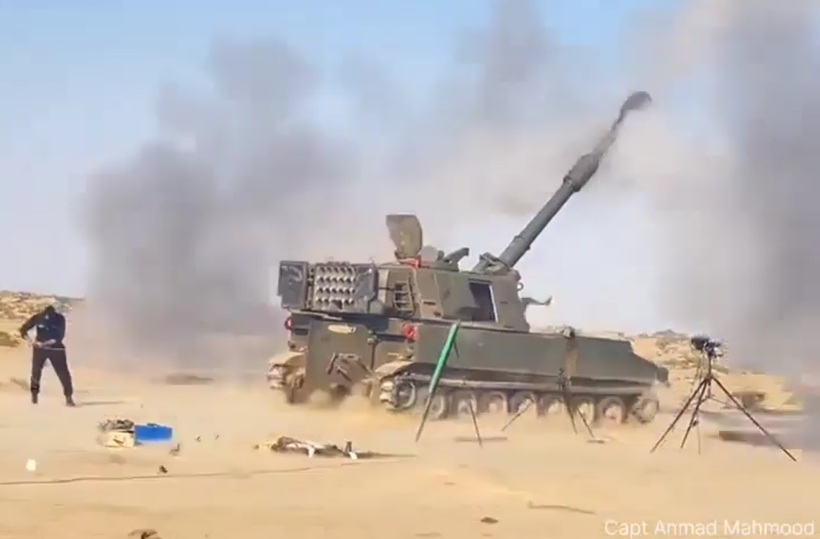
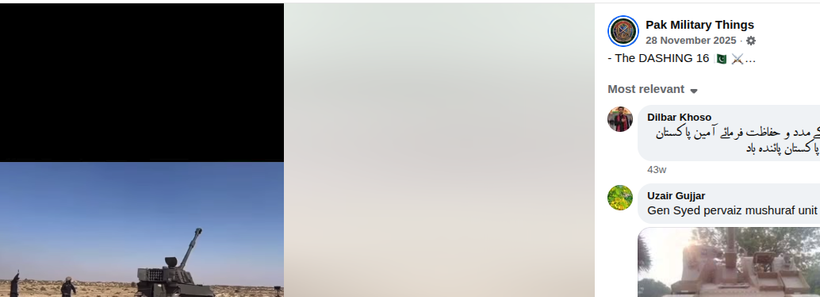
- Searching name of the officer brought me to a Facebook post from where this video was downloaded. https://www.facebook.com/pakmilitarythings/videos/-the-dashing-16-%EF%B8%8F/1346096283667836/The caption says, Dashing 16. It means the video is most likely of a firing practice activity of Pakistani Army’s 16th Artillery Regiment (SP).
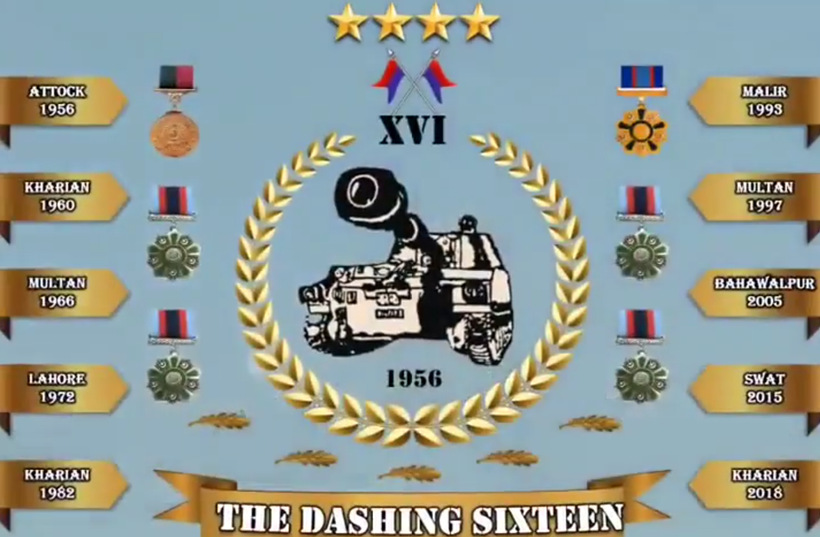
- Another confirmation of the unit ID is at 01:01
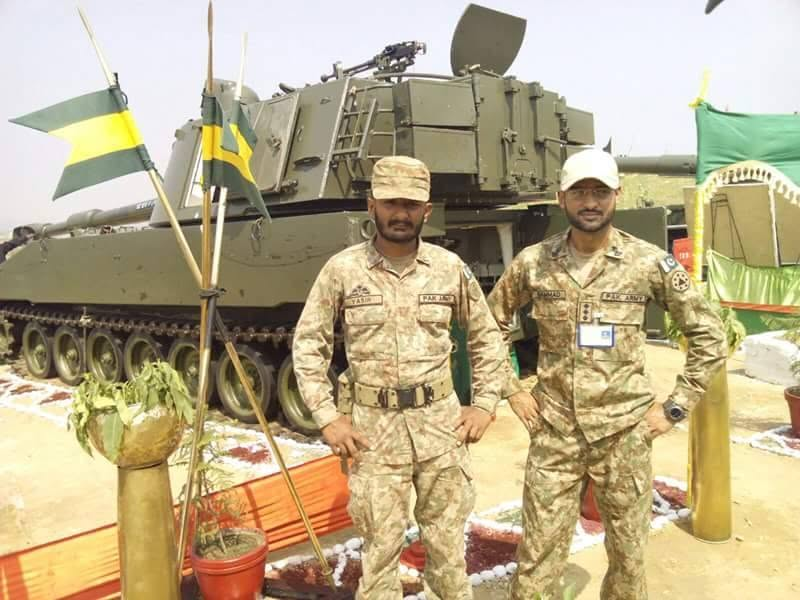
- Facebook also provides this picture in another post, but hard to say if it’s the same person in both.
 LESSON:From this short video, the most important takeaway is that Pakistani Army’s 16th Artillery Regiment operates M109 tracked howitzers. The regiments serve in same Corps/Division for 2-3 years before being moved. So the unit may have moved elsewhere by now, but it did serve under I Corps for some time.All of it was inferred using nothing more than regular internet for 8-10 minutes.
This is essentially what all this osint stuff is. Collecting hundreds, if not thousands, of small data points like this and finding links between them to gradually build a larger organisational dataset. The individual finding is not particularly significant. The value comes from doing this repeatedly and connecting the pieces.
Let me know if you found something else.
Leave a Reply